Open shelving has a way of making a space feel more curated and inviting. Whether it’s in the kitchen, living room, bathroom, or home office, well-styled shelves instantly elevate the overall aesthetic. The challenge comes in striking the right balance—too cluttered, and the space feels overwhelming; too sparse, and it looks unfinished.
We’ve all seen those beautifully styled shelves in magazines and on Pinterest, where every piece looks effortlessly placed. The good news is that this look isn’t out of reach. With thoughtful styling, we can create displays that feel polished yet personal, practical yet visually appealing.
The key is approaching shelving like a layered design element rather than just a storage solution. By mixing textures, incorporating meaningful pieces, and considering proportions, we can transform open shelving into a focal point that enhances the entire space.
Laying the Foundation with a Thoughtful Approach
Before we start styling, it helps to think about the purpose of the shelves. Are they primarily functional, decorative, or a mix of both? Kitchen shelves might need space for everyday dishware, while living room shelves can focus more on decor. Defining their role allows us to plan with intention rather than randomly filling them.
Choosing a Color Palette
A cohesive color scheme makes shelves feel curated rather than chaotic. While there’s no single right approach, keeping a consistent palette helps tie everything together.
• Neutral tones – White, beige, and earth tones create a soft, sophisticated feel.
• Monochromatic look – Shades of a single color add depth without overwhelming the space.
• Contrasting elements – Dark shelves with lighter objects (or vice versa) create a striking visual impact.
Balancing Open Space
One common mistake is filling every inch of shelving. Leaving negative space gives the eye a place to rest and makes the arrangement feel more deliberate. Think of it like a gallery wall—each piece should have breathing room to stand out.
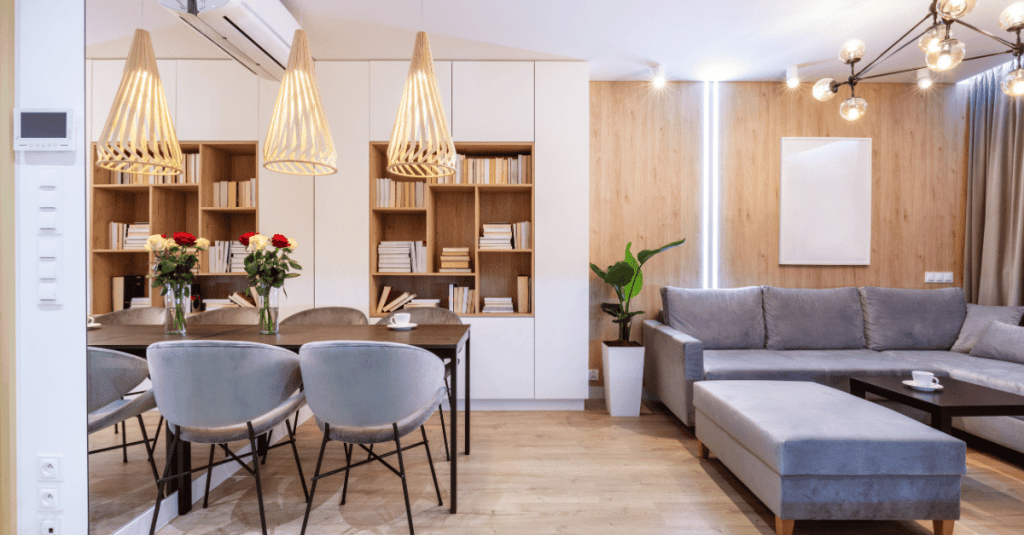
Layering Objects for a Polished Look
The best-styled shelves feel organic, not overly staged. Layering different heights, materials, and shapes creates visual interest and keeps the display from looking flat.
Mixing Heights and Shapes
Using objects of varying heights and shapes prevents the shelves from looking monotonous. Books, vases, artwork, and decorative bowls can all add dimension when arranged thoughtfully.
• Tall items – Leaning framed artwork or placing tall vases at the back of a shelf creates depth.
• Low-profile pieces – Stacking books or using shallow trays grounds the arrangement.
• Rounded elements – Sculptural objects, bowls, or candles break up angular lines.
Using Books as Anchors
Books are one of the most versatile styling tools. Whether stacked horizontally or lined up vertically, they add warmth and personality. A mix of coffee table books, vintage finds, and personal favorites keeps the look interesting.
• Horizontal stacks – Great for elevating smaller decor pieces like candles or sculptures.
• Vertical arrangements – Work well for filling negative space while keeping the display structured.
• Layering books with objects – Placing a decorative object on top of a stack adds another level of interest.
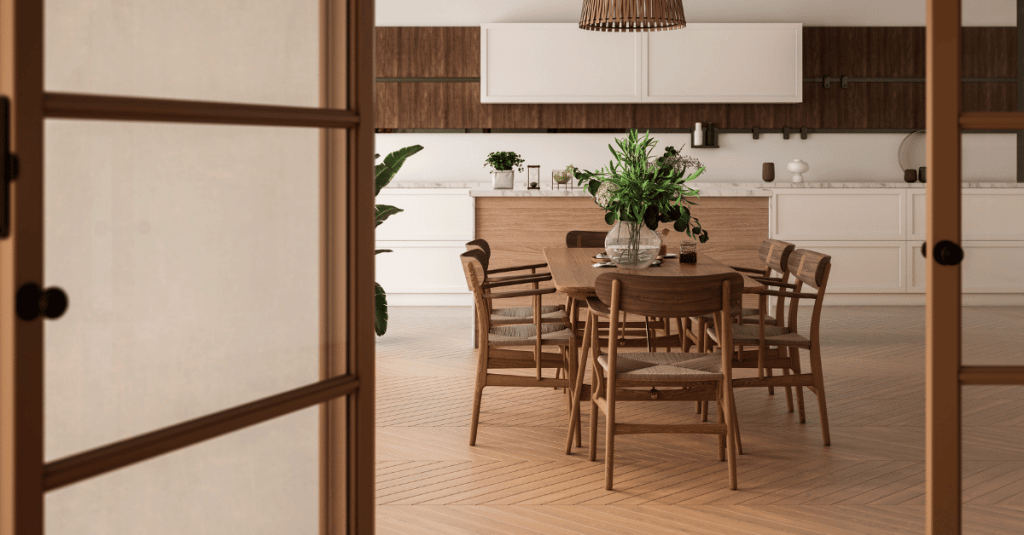
Adding Texture with Natural Elements
A well-balanced shelf incorporates a mix of materials to create contrast. Pairing smooth ceramics with woven textures, warm woods, and metallic accents keeps the arrangement from feeling one-dimensional.
Wood and Woven Accents
Natural textures bring warmth and a sense of depth. Wooden bowls, rattan baskets, and cane-front storage boxes are great options for adding organic elements.
• Small wooden trays – Ideal for corralling small decorative pieces.
• Woven baskets – Offer practical storage while softening the overall look.
• Driftwood or sculptural branches – Introduce an earthy, effortless touch.
Ceramic and Stone Details
Matte ceramics, polished stone, and raw concrete accents provide contrast against softer materials. Handmade pottery, marble bookends, or terrazzo decor pieces give a collected, refined feel.
• Unglazed clay vases – Add an artisanal, handcrafted touch.
• Marble accents – Bookends, trays, or coasters bring in a hint of luxury.
• Concrete decor – A subtle industrial edge balances softer materials.
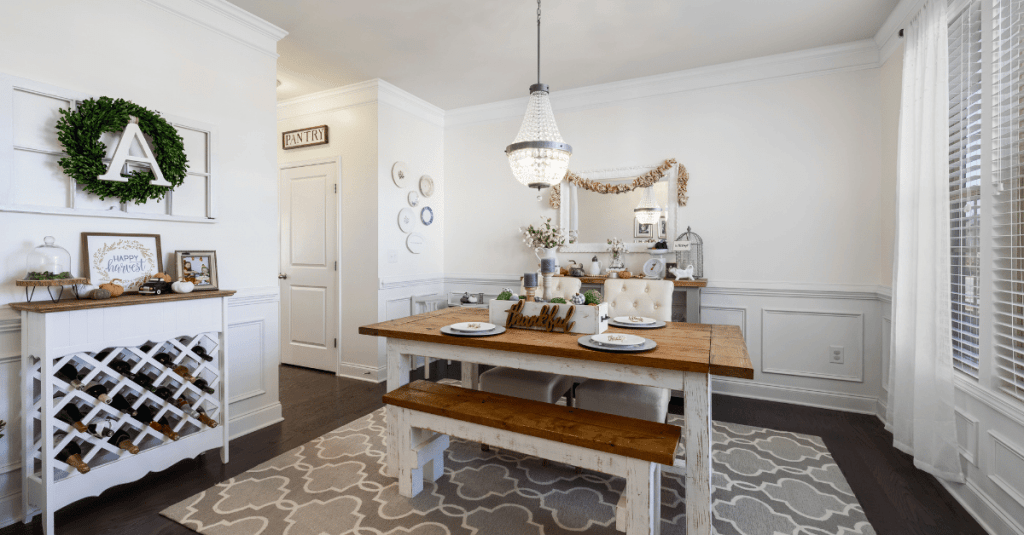
Personalizing with Meaningful Objects
While aesthetics matter, shelves should also reflect who we are. Incorporating sentimental pieces makes the space feel authentic rather than overly staged.
Framed Artwork and Photos
Leaning a small framed print or photograph against the back of a shelf creates depth and brings a personal touch. Mixing in different sizes and orientations keeps it from looking too uniform.
• Black and white photography – Timeless and easy to pair with other decor.
• Abstract prints – Add a modern, artistic element.
• Vintage or travel photos – Bring in personal stories without overwhelming the space.
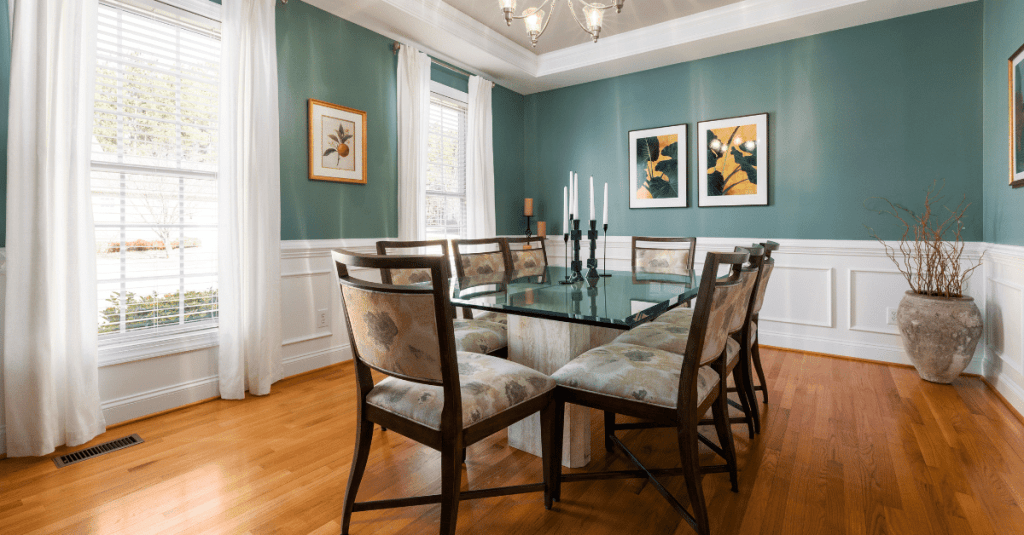
Collectibles and Travel Souvenirs
Displaying meaningful objects—whether it’s a ceramic piece from a favorite destination or a passed-down keepsake—adds character and makes the shelves feel lived-in.
• Handmade pottery – Unique, one-of-a-kind pieces that add charm.
• Vintage finds – Antique cameras, old books, or sculptural objects tell a story.
• Global influences – Woven baskets, carved figurines, or artisanal crafts introduce personality.
Using Greenery to Soften the Look
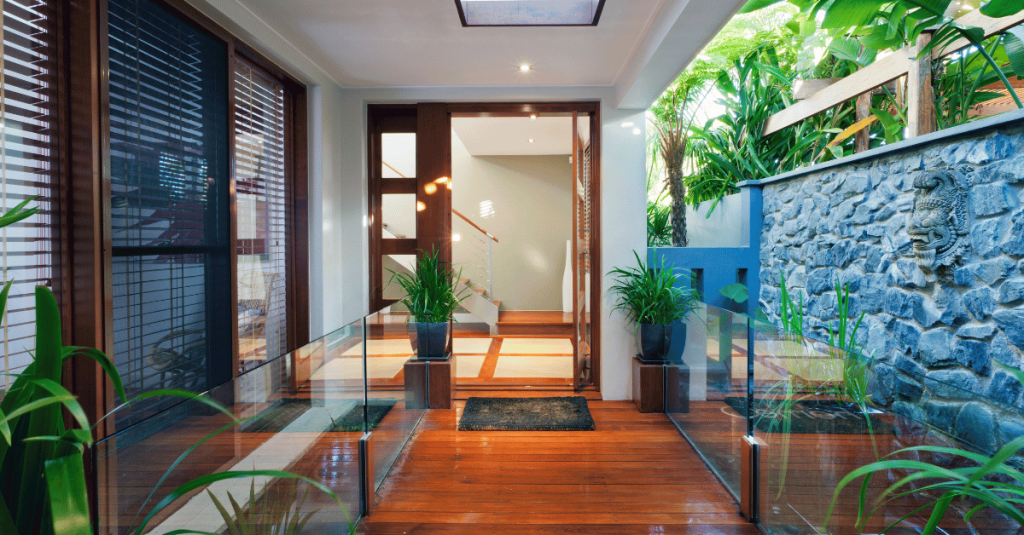
Plants breathe life into shelving arrangements. The contrast between organic greenery and structured objects keeps the display from feeling static.
Choosing the Right Plants
Trailing plants work well for cascading down shelves, while small potted plants fill gaps without overwhelming the space.
• Trailing ivy or pothos – Softens edges and adds movement.
• Small succulents – Low-maintenance and perfect for tucking into empty spots.
• Dried botanicals – Pampas grass, eucalyptus, or dried flowers bring in natural texture.
Lighting Enhances the Arrangement
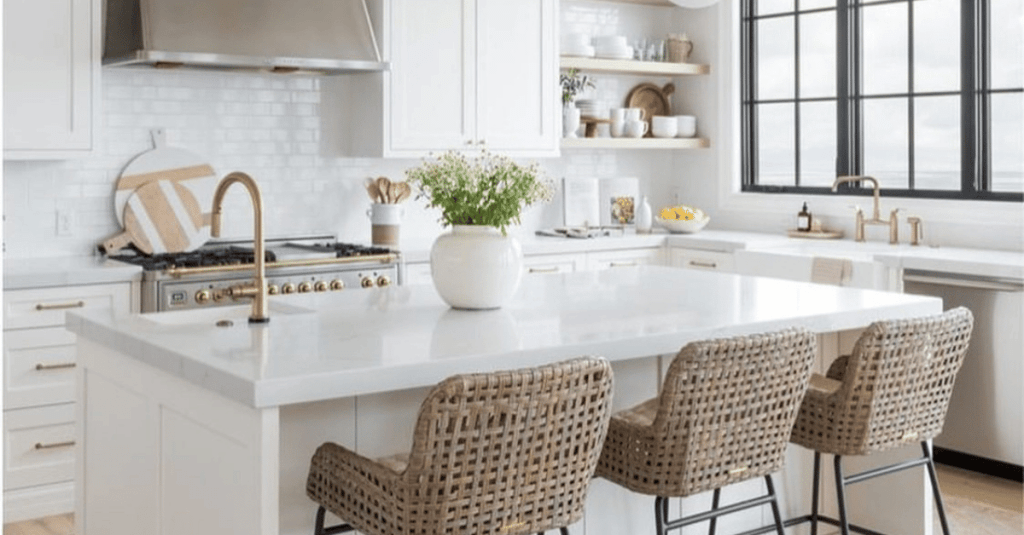
Lighting plays a big role in making shelves feel inviting. If natural light isn’t an option, small accent lights can highlight key pieces.
Adding Soft, Warm Light
• Under-shelf lighting – LED strip lights or puck lights create a subtle glow.
• Small table lamps – A great option for built-in shelving or console shelves.
• Candles and lanterns – Introduce ambiance with soft, flickering light.
Adjusting and Refining the Arrangement
Even with a well-planned approach, styling shelves is often a process of trial and adjustment. Stepping back to assess the arrangement from different angles helps fine-tune the balance.
Editing and Rearranging
• Removing clutter – Too many small items can make shelves feel busy.
• Shifting heights – If things feel too uniform, swapping a tall item for a shorter one can add variety.
• Swapping pieces – Sometimes, a simple exchange of decor pieces makes all the difference.
Well-styled shelves have the power to transform a space, making it feel more intentional and polished. The key is finding the right balance between structure and personality, function and style. With a thoughtful approach and a mix of textures, shapes, and meaningful details, we can create displays that feel effortless yet refined.
Whether we’re styling shelves in a living room, kitchen, or office, small changes can have a big impact. By layering elements, incorporating personal touches, and keeping the arrangement flexible, we can achieve a look that feels both curated and inviting. If a space feels unfinished or uninspired, open shelving might be the perfect place to start making it feel more like home.



 This Treasured Home
You must be logged in to post a comment.