There’s something undeniably calming about a home filled with natural materials. Spaces designed with wood, stone, clay, and organic fabrics have a warmth and depth that synthetic materials just can’t replicate. When we bring nature inside, our homes feel more peaceful, balanced, and connected to the world around us.
The shift toward using natural and organic elements isn’t just about aesthetics—it’s about making intentional choices that create healthier living spaces. Many mass-produced furnishings contain chemicals and artificial materials that don’t age well or feel as inviting. On the other hand, natural fibers, handcrafted wood pieces, and raw stone finishes add character and improve over time.
Decorating with these elements doesn’t mean giving up style. Whether we love a minimalist modern home, a cozy rustic retreat, or a sleek contemporary look, nature-inspired design works in every space. It’s about layering textures, selecting materials that tell a story, and creating a home that feels effortlessly beautiful.
Why Natural Materials Transform a Space
The materials we surround ourselves with impact how we feel in a space. Think about stepping into a room filled with plastic, laminate, and artificial finishes versus one with rich wood tones, soft linen, and stone accents. One feels sterile and temporary; the other feels inviting and timeless.
Natural materials have depth, texture, and variation that make a home feel unique. Unlike mass-produced synthetic items, organic elements develop patina and character over time, making them more beautiful with age.
Timeless Appeal
One of the biggest benefits of using natural materials is longevity. Trends come and go, but classic materials like marble, solid wood, and wool have been used for centuries and never feel outdated. A well-crafted wooden dining table, a stone fireplace, or a jute rug won’t lose its appeal the way trendy, factory-made pieces might.
Creating a Sense of Warmth
Natural textures make a space feel cozy and welcoming. Rough-hewn wood, soft cotton, woven baskets, and wool throws invite us to slow down and feel more at home. These elements add a layer of comfort that’s hard to replicate with synthetic materials.
Healthier Living
Many synthetic materials contain chemicals that can impact indoor air quality. Furniture made with pressed wood, for example, often contains formaldehyde, and some upholstery fabrics are treated with flame retardants and other additives. Choosing natural alternatives like solid wood, organic cotton, and natural latex can help create a healthier environment.
Incorporating Wood for Warmth and Character
Wood is one of the most versatile natural materials. Whether we prefer light oak, deep walnut, or reclaimed barnwood, wooden elements add richness and texture to a space.
Choosing the Right Wood
Each type of wood brings a different feel. Lighter woods like maple and ash create an airy, modern look, while darker varieties like walnut and mahogany feel more traditional and refined. Reclaimed wood is a great option for adding depth and history to a space.
Ways to Bring Wood into the Home
• Furniture – A well-crafted wooden table, bookshelves, or a statement coffee table adds warmth and natural beauty.
• Ceiling Beams – Exposed wooden beams create architectural interest and a rustic charm.
• Wall Paneling – Shiplap, wood slats, or reclaimed wood walls bring in texture and a cozy atmosphere.
• Accent Decor – Wooden bowls, trays, and candle holders are simple ways to introduce this natural element.

Stone Adds Strength and Texture
Stone brings durability and organic beauty into a home. Whether it’s a dramatic marble countertop, a rustic limestone fireplace, or slate flooring, stone elements make a space feel grounded.
Selecting the Right Stone
• Marble – Adds a luxurious feel with its elegant veining.
• Granite – Known for its durability and rich color variations.
• Limestone – Offers a softer, more natural look with subtle texture.
• Slate – Works well for flooring, adding depth and resilience.
Ways to Use Stone in a Home
• Fireplaces – A stone fireplace becomes a focal point and adds instant character.
• Countertops – Natural stone counters bring timeless beauty to kitchens and bathrooms.
• Flooring – Slate or travertine floors are both durable and visually striking.
• Decor – Stone sculptures, vases, and tabletops introduce texture in small ways.
The Softness of Organic Fabrics
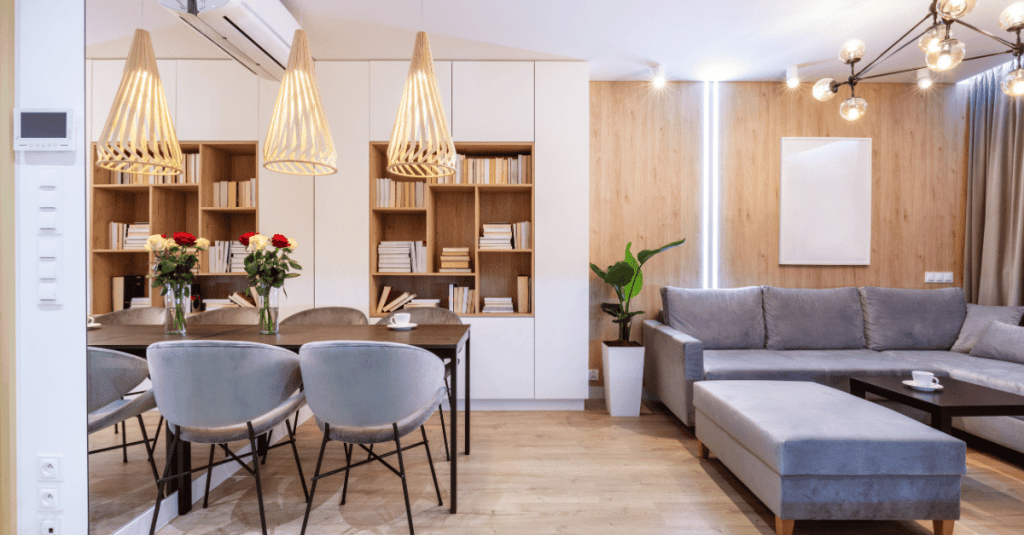
Textiles play a huge role in how a space feels. Synthetic fabrics can sometimes feel cold or overly processed, while natural fibers like linen, cotton, and wool have a softness and breathability that adds comfort.
Choosing the Best Natural Fabrics
• Linen – Lightweight and breathable, perfect for curtains and upholstery.
• Cotton – A versatile staple for bedding, rugs, and throw pillows.
• Wool – Adds warmth and texture, ideal for blankets and area rugs.
• Jute and Sisal – Durable and earthy, great for rugs and woven baskets.
Where to Use Natural Textiles
• Curtains – Linen or cotton drapes allow light to filter in beautifully.
• Bedding – Organic cotton sheets and wool blankets create a cozy retreat.
• Rugs – A jute or wool rug grounds a space and adds texture.
• Upholstery – Choosing linen or cotton slipcovers gives furniture a relaxed, inviting feel.
Clay, Ceramics, and Handcrafted Details
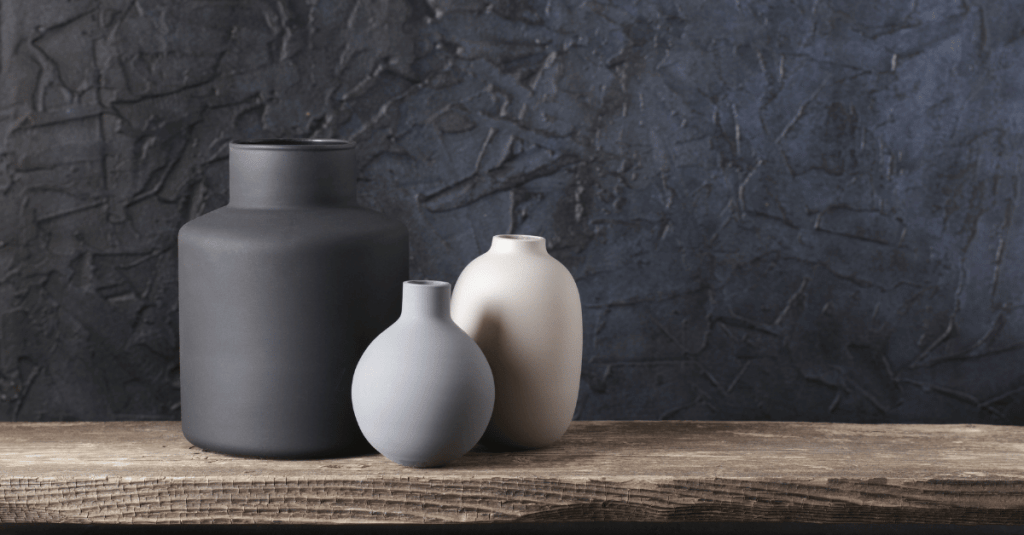
Handmade ceramics and clay elements bring an artisanal touch to any space. Unlike mass-produced decor, handcrafted pieces carry unique imperfections that make them special.
Ways to Use Clay and Ceramics
• Pottery – Handmade vases, bowls, and mugs add warmth to kitchens and dining areas.
• Terracotta – Clay planters bring a natural feel to indoor and outdoor spaces.
• Tiles – Hand-painted or textured ceramic tiles create stunning backsplashes and flooring.
Incorporating Woven and Natural Fiber Elements
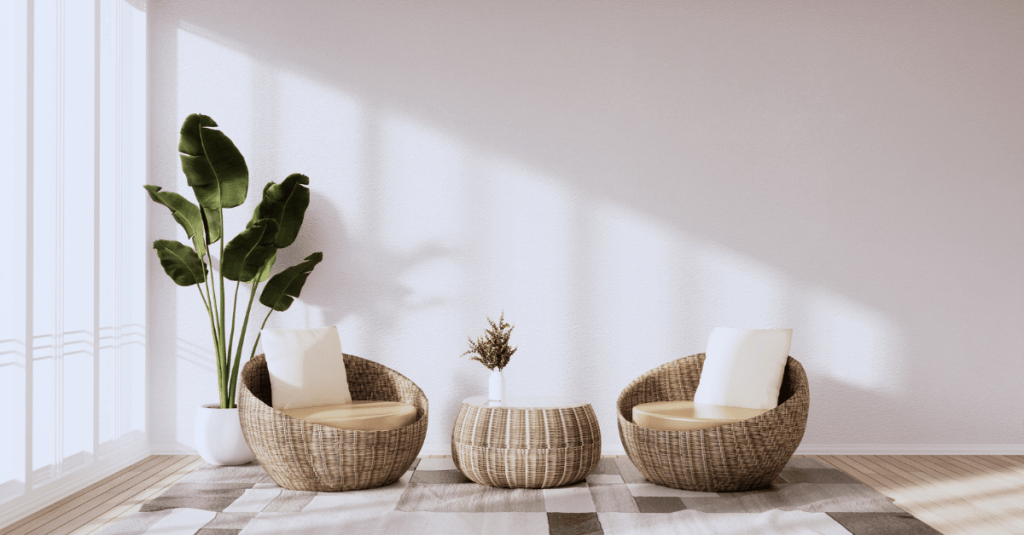
Woven materials add a relaxed, organic feel to a space. Whether it’s a handwoven basket, a rattan chair, or a cane-front cabinet, these elements provide depth and texture.
Best Woven Materials to Use
• Rattan – Lightweight and durable, perfect for chairs and lighting fixtures.
• Seagrass – Adds a rustic touch, great for rugs and baskets.
• Cane – Works well for furniture details like cabinet doors and chair backs.
Where to Use Woven Decor
• Lighting – A rattan pendant light softens a room with its natural texture.
• Storage – Seagrass baskets keep things organized while adding warmth.
• Furniture – A cane-backed chair or rattan shelving unit introduces effortless style.
The best interiors feel cohesive and intentional. Mixing different natural materials creates contrast and interest while maintaining balance. Pairing stone with wood, linen with leather, and woven textures with ceramics adds depth to a space.
Layering is key. A linen sofa with wool throw pillows, a marble coffee table with a rattan tray, or a wooden dining table set with ceramic dishware makes a space feel dynamic yet harmonious.
Elevate Your Space with Nature-Inspired Design
Choosing natural and organic materials isn’t just about home decor—it’s about creating a space that feels inviting, comfortable, and personal. These elements bring warmth, character, and a connection to nature that transforms a house into a home.
By making intentional choices and investing in materials that stand the test of time, we can design spaces that are both beautiful and functional. Whether starting with small touches like woven baskets and stone vases or making bigger changes like reclaimed wood furniture and natural fiber rugs, every step brings us closer to a home that feels grounded, stylish, and truly ours.






 This Treasured Home
You must be logged in to post a comment.