A small room doesn’t have to feel cramped. With the right decor and layout choices, any space can feel open, airy, and inviting. It’s not about how much square footage we have—it’s about making the most of it.
I’ve lived in more than one tiny apartment, and each time, I had to rethink my approach to decorating. The wrong furniture, too much clutter, or poor lighting made the space feel even smaller than it was. But once I learned a few key design tricks, my rooms started to feel bigger, brighter, and much more functional.
Let’s explore how small spaces can be transformed with a few simple changes.
Choosing the Right Color Scheme
Creating Openness with Lighter Shades
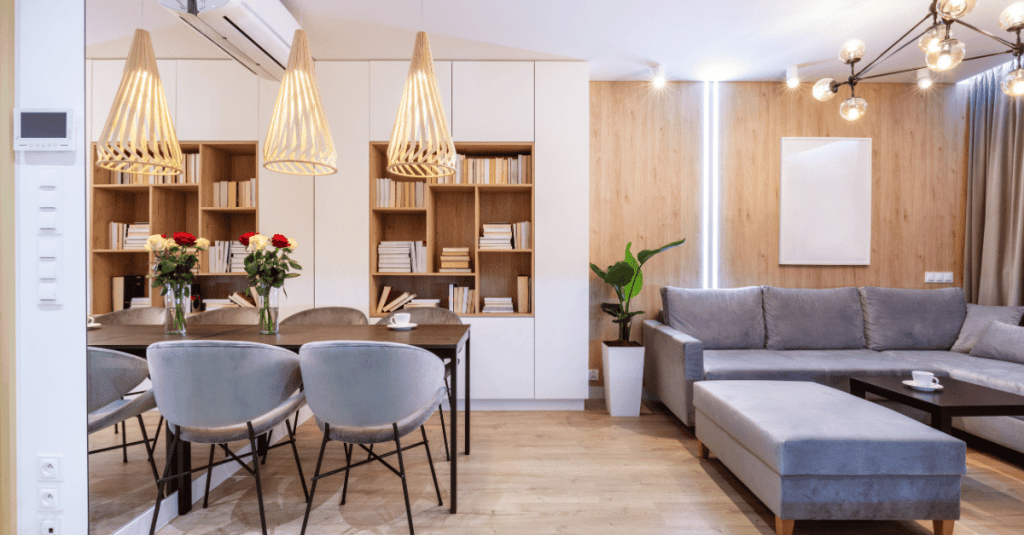
Lighter colors reflect light, making a space feel more expansive. White, soft grays, and pastels create an airy effect, while warm neutrals like beige or taupe add coziness without making the room feel closed in.
I once had a small bedroom that felt dark and heavy. Swapping deep-colored walls for a soft, creamy white instantly made the space feel more open. The difference was immediate—it was like the room had gained extra square footage overnight.
Adding Depth with Accent Colors
A monochromatic palette helps maintain a sense of spaciousness, but adding subtle contrast prevents the room from feeling flat. A light gray or pastel blue wall with white trim creates depth without overwhelming the space. Soft-colored furniture and accessories in similar shades help the room flow seamlessly.
When we redecorated a small guest room, we painted three walls a soft warm beige and added a muted sage green accent wall. The result? The space felt larger, and the contrast added just enough character without shrinking the room visually.
Maximizing Natural and Artificial Light
Letting in More Sunlight
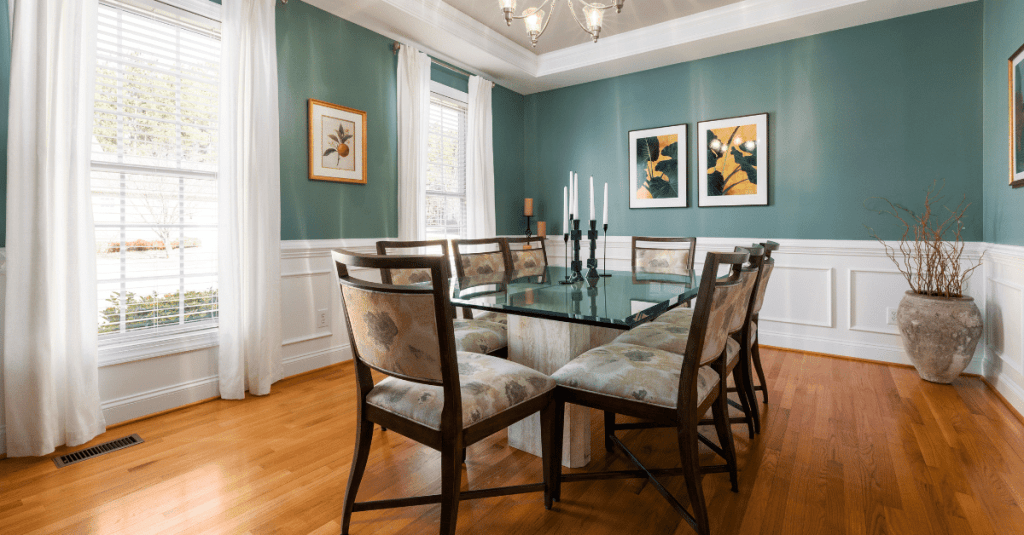
Natural light is one of the most effective ways to make a space feel open. Keeping window treatments light and airy allows sunlight to brighten the room. Sheer curtains or blinds that can be pulled up completely help maximize daylight.
In one of our apartments, we had heavy, dark drapes that made the room feel like a cave. Switching to lightweight, white linen curtains let in more natural light, instantly opening up the space.
Enhancing the Room with Layered Lighting
Lighting plays a huge role in how big or small a space feels. A single overhead light can cast shadows, making a room seem smaller. A combination of floor lamps, wall sconces, and table lamps spreads light evenly and eliminates dark corners.
A friend of mine had a small living room that always felt a little tight. Adding a couple of strategically placed floor lamps softened the lighting and made the space feel more inviting. The difference was subtle but effective.
Arranging Furniture for Better Flow
Choosing the Right Scale
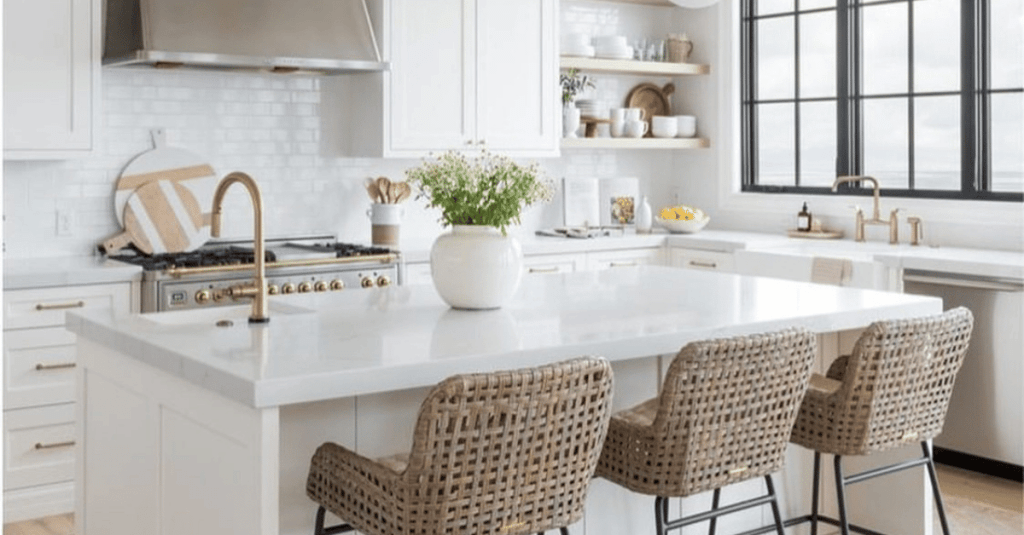
Oversized furniture overwhelms a small room, while pieces that are too small make it feel under-furnished. The key is finding a balance—choosing streamlined furniture that fits the scale of the space while still being functional.
I once made the mistake of squeezing a bulky sectional into a small living area. It dominated the room and left no space to move around. Swapping it for a slim-profile sofa and a couple of accent chairs opened up the area, creating a better flow.
Using Multi-Functional Pieces
Furniture that serves more than one purpose saves space and reduces clutter. Ottomans with hidden storage, extendable dining tables, and wall-mounted desks keep rooms from feeling overcrowded.
In a studio apartment, we used a bed with built-in storage drawers, which eliminated the need for a bulky dresser. It made the entire space feel more organized and open.
Positioning Furniture to Open the Room
Placing furniture against walls can sometimes make a space feel cramped. Pulling key pieces—like a sofa or bed—just a few inches away from the wall creates the illusion of depth. In tight spaces, floating furniture arrangements help maintain a sense of openness.
A friend tried this in her small bedroom by shifting her bed slightly away from the wall and adding a low-profile bench at the foot. It gave the room a more spacious look without changing anything major.
Using Mirrors and Reflective Surfaces
Expanding the Space with Mirrors
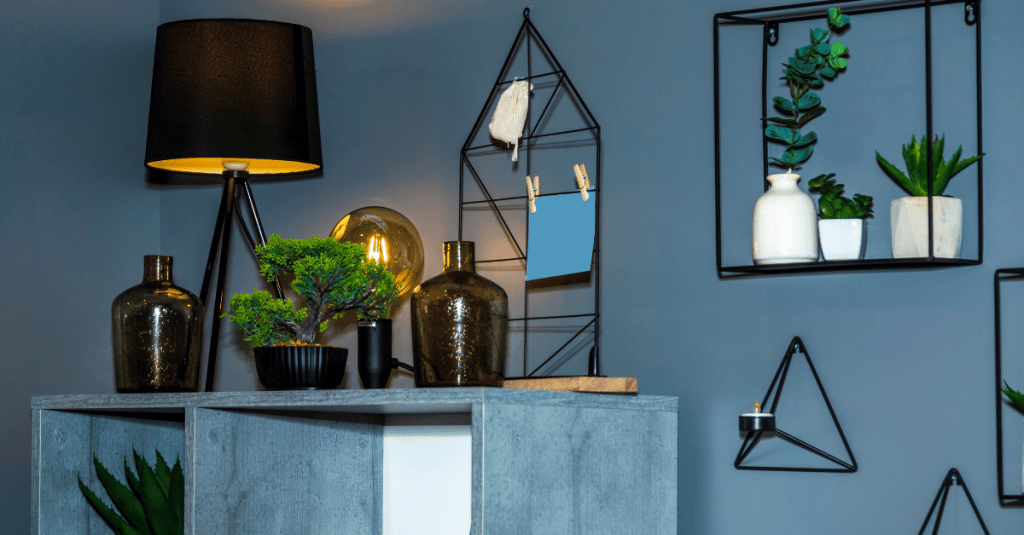
Mirrors create the illusion of depth by reflecting light and views. A large mirror positioned opposite a window doubles the natural light in a room, making it feel much larger.
In one of our apartments, we placed a floor-length mirror near the entrance, and it instantly made the hallway feel more open. It was a simple trick that had a big impact.
Incorporating Glossy and Glass Finishes
Glass and reflective surfaces, like metallic fixtures or high-gloss furniture, enhance brightness. A glass coffee table, mirrored cabinet, or glossy subway tiles in a kitchen create a sense of openness.
We once replaced a wooden dining table with a glass-top version, and suddenly, the whole dining area felt less crowded. The transparency of the glass kept the room from feeling visually heavy.
Keeping Decor Simple and Purposeful
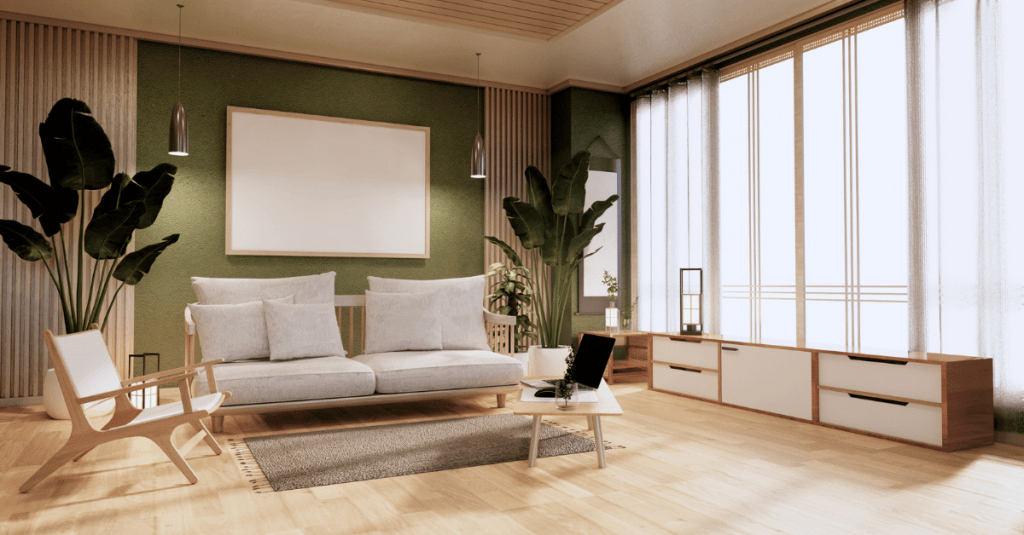
Avoiding Visual Clutter
Too many decorative elements can make a small room feel chaotic. A clean, minimal approach with carefully chosen pieces creates a more spacious look.
I used to overdecorate shelves with small trinkets, but removing a few unnecessary items made the space feel more streamlined. Now, I focus on a few statement pieces rather than filling every surface.
Using Vertical Space
When floor space is limited, walls become valuable real estate. Floating shelves, vertical storage, and wall-mounted lighting help free up surfaces while keeping the space functional.
We once added floating shelves above our desk instead of using a bulky bookshelf. It kept everything organized while making the room feel more open.
Creating Visual Flow Between Spaces
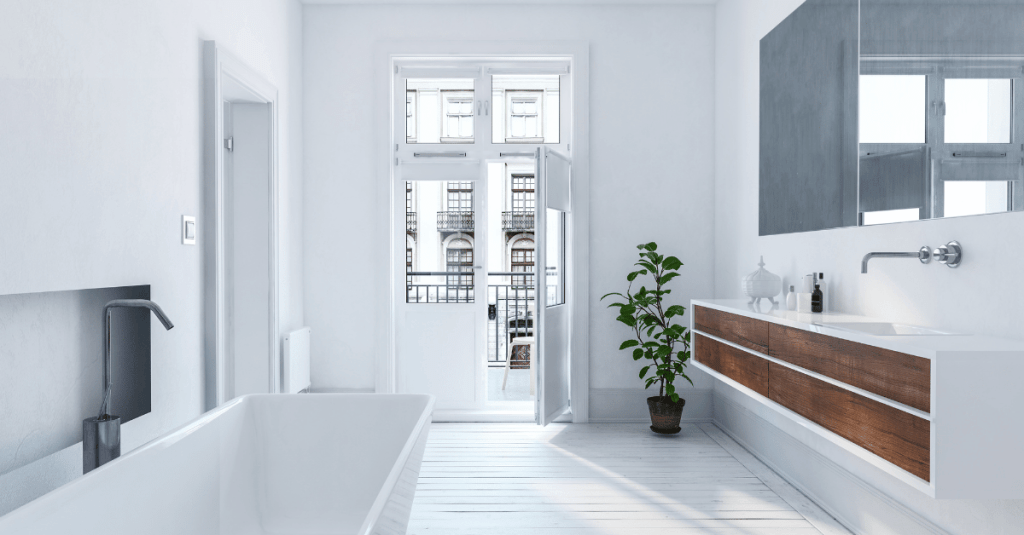
Using Consistent Color and Materials
A cohesive look throughout a home makes each room feel connected, preventing small spaces from feeling boxed in. Keeping flooring materials consistent and using a similar color palette in adjacent rooms creates a natural flow.
A friend of mine had a small apartment with different paint colors in every room, which made each space feel more segmented. When she repainted everything in a light neutral shade, the apartment felt much larger and more unified.
Minimizing Heavy Dividers
Traditional room dividers or bulky furniture can break up a space too much. Using open shelving, glass partitions, or lightweight curtains creates separation while maintaining an airy feel.
We once replaced a solid bookshelf that divided a living and dining space with an open shelving unit. It kept the definition between areas without making the space feel closed off.
Making a Small Space Feel Bigger with the Right Choices
A small room doesn’t have to feel limiting. The right colors, lighting, furniture, and decor create an open, airy environment that feels just as spacious as a larger home. By focusing on light, scale, and flow, we can make any space feel inviting and comfortable.
If a room in your home feels tight, start with a few simple changes—maybe a lighter wall color, a well-placed mirror, or a smarter furniture arrangement. Small adjustments can completely transform a space. What changes are you excited to make? Let’s create homes that feel bigger, brighter, and perfectly suited to our lives.


 This Treasured Home
You must be logged in to post a comment.