Weddings are one of life’s most memorable milestones, but they can also be one of the biggest financial investments we make. The excitement of planning can quickly become overwhelming when costs start piling up. Without a solid financial plan, it’s easy to spend more than expected and feel stressed instead of excited about the big day.
Budgeting isn’t about restricting our dreams—it’s about making sure we spend where it matters most. When we take control of our spending early in the process, we create a celebration that reflects our love story without unnecessary financial strain.
Setting the Foundation for Wedding Expenses
Before we can determine how much to allocate for different aspects of the celebration, we need to establish our overall financial limit. The first step is deciding how much we’re comfortable spending and where the funds are coming from.
Some couples use personal savings, while others receive financial contributions from family. A mix of both is common. No matter the source, it’s crucial to establish a number that feels right for our financial situation.
Once we have that number, it’s time to break it down into realistic categories.
Allocating Funds to the Right Places
Every couple has unique priorities, so our spending should reflect what matters most. Some of us dream of an elaborate venue, while others care more about photography or entertainment. Here’s a general guideline to help divide expenses:
• Venue and catering – Around 40-50%
• Photography and videography – 10-15%
• Attire and beauty – 5-10%
• Decor and flowers – 8-10%
• Entertainment and music – 8-10%
• Stationery and invitations – 2-5%
• Favors and gifts – 2-5%
• Miscellaneous (permits, transportation, tips, unexpected costs) – 5-10%
While these percentages provide a starting point, we should adjust them based on what’s most important to us. If we care more about a live band than extravagant floral arrangements, we shift our spending accordingly.
Avoiding the Common Pitfalls
One of the biggest challenges couples face is underestimating costs. Hidden fees and last-minute expenses can quickly throw off even the most well-planned budget. Here are some common mistakes to avoid:
• Taxes and gratuities – Many venues and vendors charge service fees, which can add 20% or more to the final bill.
• Dress alterations – The wedding dress may seem within budget until we factor in tailoring costs.
• Postage for invitations – Sending out formal invitations can cost more than expected, especially with custom designs or heavier paper.
• Marriage license and legal fees – These small expenses can add up, and they vary by location.
• Vendor overtime fees – If the celebration runs longer than expected, photographers, DJs, and venue staff may charge extra.
The key to avoiding surprise costs is to ask for itemized estimates from every vendor and pad the budget with a 5-10% buffer for unexpected expenses.
Making Smart Choices Without Sacrificing Quality
A meaningful celebration doesn’t have to come with an extravagant price tag. Smart planning allows us to create an unforgettable day while staying financially responsible.
• Choose an off-peak date – Many venues offer discounts for weddings held on weekdays or during less popular months.
• Opt for seasonal flowers – Florals can be expensive, but choosing blooms that are in season significantly lowers costs.
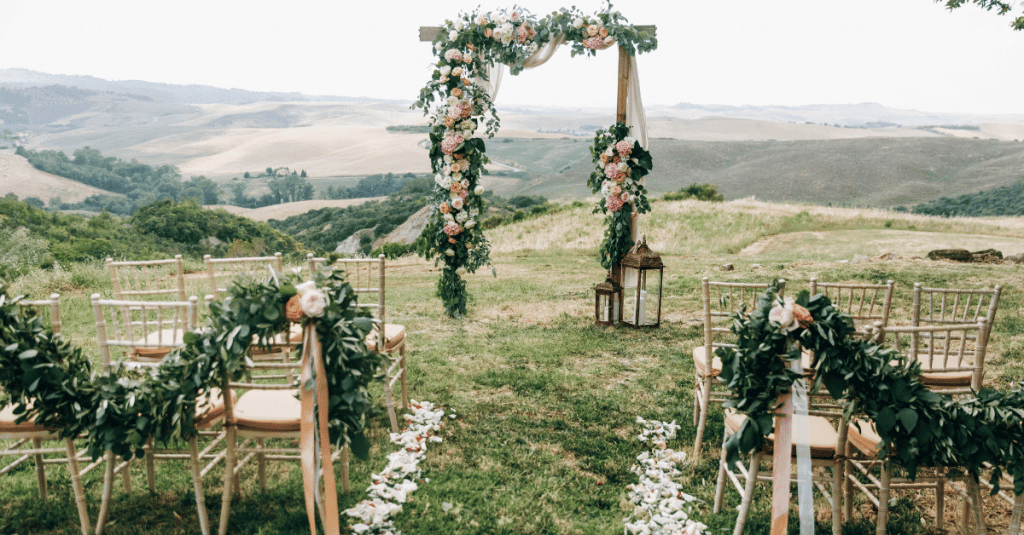
• Consider alternative venues – Instead of traditional banquet halls, we can explore options like parks, family properties, or community spaces.
• Simplify the menu – Offering fewer entree choices or skipping expensive add-ons like a full open bar can keep catering costs manageable.
• DIY where possible – Handmade decor, personalized favors, or digital invitations can help us save without compromising style.
Staying on Track Throughout the Process
Once we’ve created a spending plan, sticking to it requires diligence. It’s easy to justify small upgrades here and there, but those extra costs add up quickly.
Tracking every expense is essential. Whether we use a spreadsheet or a wedding budgeting app, keeping an up-to-date record of what we’ve spent helps prevent overspending.
Another key strategy is setting up a dedicated bank account for wedding-related expenses. This makes it easier to separate event costs from everyday spending and ensures we’re always aware of how much we have left.
Communicating and Compromising as a Couple
Planning a wedding isn’t just about financial decisions—it’s about teamwork. Money conversations can be uncomfortable, but they’re crucial for avoiding stress down the road.
It’s important to check in regularly with each other about spending decisions. If we start feeling stretched too thin, it’s better to revisit priorities together rather than let financial pressure take away from the excitement of the big day.
One way to navigate this process smoothly is by creating a “must-have” list and a “nice-to-have” list. The must-haves are non-negotiables, while the nice-to-haves are flexible based on available funds. This helps us make decisions without feeling like we’re sacrificing what matters most.
The Emotional Side of Wedding Spending
Budgeting isn’t just about numbers—it’s also about emotions. Weddings come with expectations from family, friends, and even social media. It’s easy to feel pressured to spend more to impress others, but staying true to what feels right for us is the best financial and emotional decision we can make.
We should remind ourselves that a beautiful celebration doesn’t depend on price tags. The most memorable weddings aren’t the ones with the highest budgets, but the ones filled with genuine love and joy.
Making the Most of Every Dollar
Being financially responsible doesn’t mean giving up on a dream celebration. It’s about making the most of every dollar we spend.
• Prioritize guest experience – People will remember the warmth of the event more than expensive decor.
• Repurpose decor – Flowers from the ceremony can be reused at the reception to get more value out of floral arrangements.
• Negotiate with vendors – Many professionals are willing to adjust packages to better fit our budget.
• Be strategic with guest count – The easiest way to manage costs is to keep the guest list intimate.
Enjoying the Process Without Financial Regret
Wedding planning should be exciting, not stressful. By making intentional choices and focusing on what truly matters, we can create a celebration that reflects our love without financial regret.
The best part? Starting our marriage with financial confidence sets the stage for a strong future together. When we plan wisely, we give ourselves the gift of a stress-free wedding day and a lifetime of beautiful memories.
If you’re currently planning your wedding, take a moment to revisit your budget and see where adjustments can be made. Prioritize what truly matters, and let go of unnecessary pressure. Your dream wedding is within reach—without breaking the bank.




 This Treasured Home