Planning a wedding is one of the most exciting journeys we’ll take, but it also comes with a lot of moving pieces. From choosing the right venue to finalizing guest lists, every decision shapes the kind of experience we want to create. Some of us dream of a grand ballroom event, while others prefer an intimate outdoor gathering. No matter the vision, bringing it to life requires careful planning, teamwork, and a focus on what truly matters.
The best way to approach this process is by breaking it down into manageable steps. When we take our time, set clear priorities, and enjoy the planning, the experience becomes just as special as the day itself.
Setting a Clear Vision and Budget
Before diving into details, we need to establish what kind of celebration we want and how much we’re willing to spend. The first step is sitting down as a couple and discussing our expectations. Are we picturing a destination event with close friends and family, or do we want a large gathering with everyone we love? Do we prefer a formal black-tie setting, or is a relaxed backyard celebration more our style?
Once we define our vision, we set a financial plan. Budgeting isn’t about cutting back on what’s important—it’s about making sure we allocate funds where they matter most.
Some expenses to account for include:
• Venue and catering
• Photography and videography
• Attire for the couple and wedding party
• Floral arrangements and decor
• Entertainment and music
• Invitations and stationery
• Transportation and accommodations
• Marriage license and legal fees
Unexpected costs always come up, so setting aside an extra 5-10% for last-minute expenses helps keep us prepared.
Choosing the Right Date and Venue
The date we choose impacts everything from venue availability to travel costs for guests. Some couples select a date with sentimental meaning, while others prioritize cost and convenience. Weekday or off-season weddings can save money and increase vendor availability.
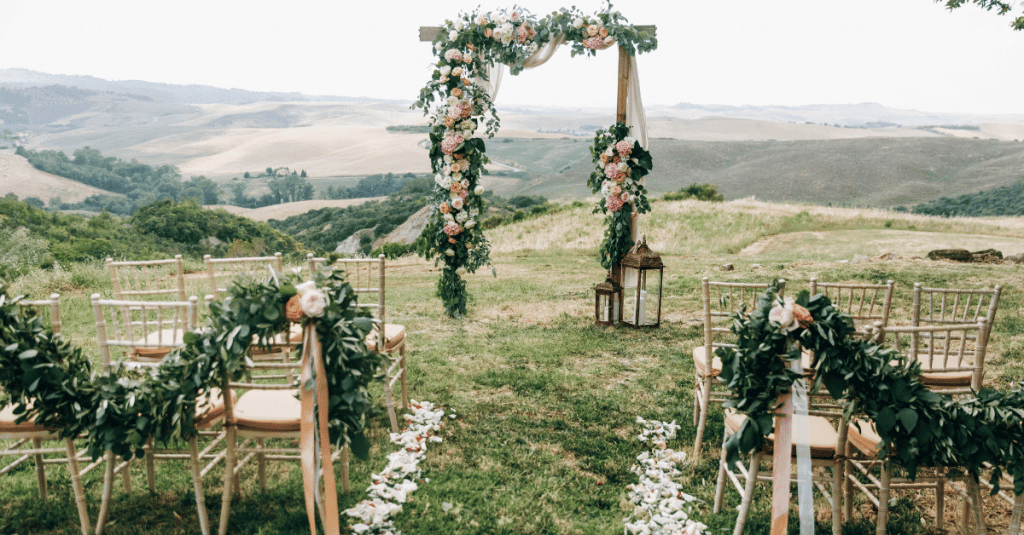
Once we have a timeframe, we start searching for the perfect venue. This decision sets the stage for the rest of the event. Whether it’s a beachfront ceremony, a rustic barn, or a modern city space, the location should reflect our style and accommodate our guest count.
When touring venues, it helps to ask about:
• What’s included in the rental fee
• Catering options and restrictions
• Capacity limits and layout flexibility
• Backup plans for outdoor spaces
• Available dates that fit our schedule
Building the Guest List and Sending Invitations
One of the toughest decisions is deciding who to invite. The number of guests directly impacts the budget, so keeping the list realistic is important. While it’s tempting to invite everyone we know, the best approach is focusing on the people who truly matter to us.
Once we finalize the list, we move on to invitations. Digital invites are growing in popularity, but traditional paper invitations add a special touch. Whatever format we choose, sending them at least six to eight weeks before the wedding gives guests enough time to RSVP.
Finding the Perfect Attire
The search for the right wedding attire should start early. Bridal gowns often require alterations, and custom suits take time to tailor. Shopping with a clear idea of style and budget helps narrow down the options.
For those of us who want to keep costs down, options like renting, buying off-the-rack, or shopping sample sales can offer stylish choices without breaking the bank. Beyond the couple’s attire, we also consider the dress code for the wedding party, ensuring it aligns with the overall theme.
Selecting Vendors Who Fit the Vision
Vendors bring the details to life, from the photographer who captures every moment to the caterer who serves an unforgettable meal. Researching and booking vendors early helps secure the best options.
Some key services to prioritize include:
• Photography and videography
• Catering and bar service
• Floral design and decor
• Entertainment, such as a band or DJ
• Hair and makeup artists
Before signing contracts, reviewing portfolios, reading reviews, and asking for references help us make informed choices. Clear communication about expectations, pricing, and timelines ensures everything runs smoothly.
Creating a Meaningful Ceremony
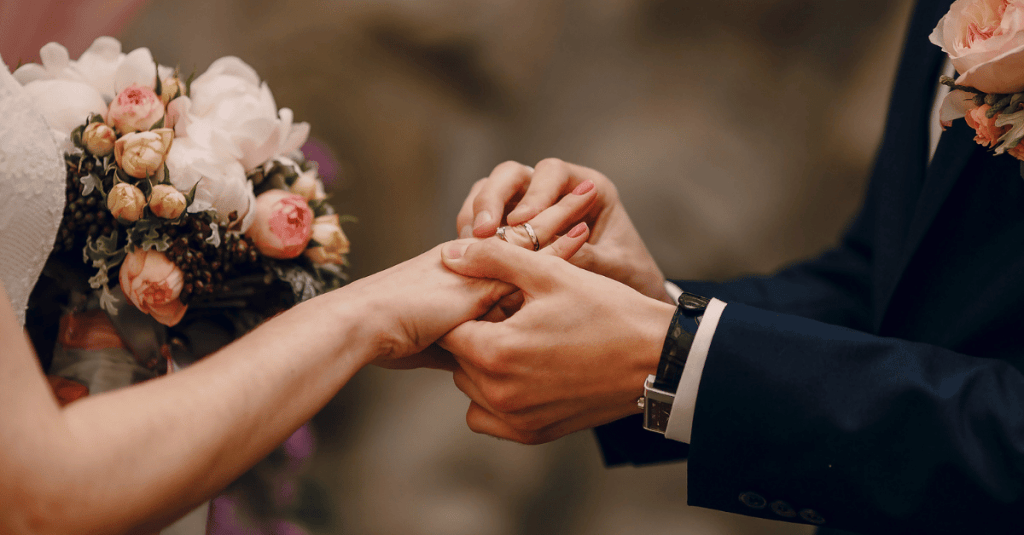
The ceremony is the heart of the celebration, and personalizing it makes it even more special. Choosing meaningful readings, writing our own vows, or incorporating traditions that reflect our values creates a ceremony that feels authentic to us.
The officiant plays a key role, whether it’s a religious leader, a close friend, or a professional celebrant. Working together to craft the script ahead of time ensures the ceremony flows seamlessly.
Planning the Reception Experience
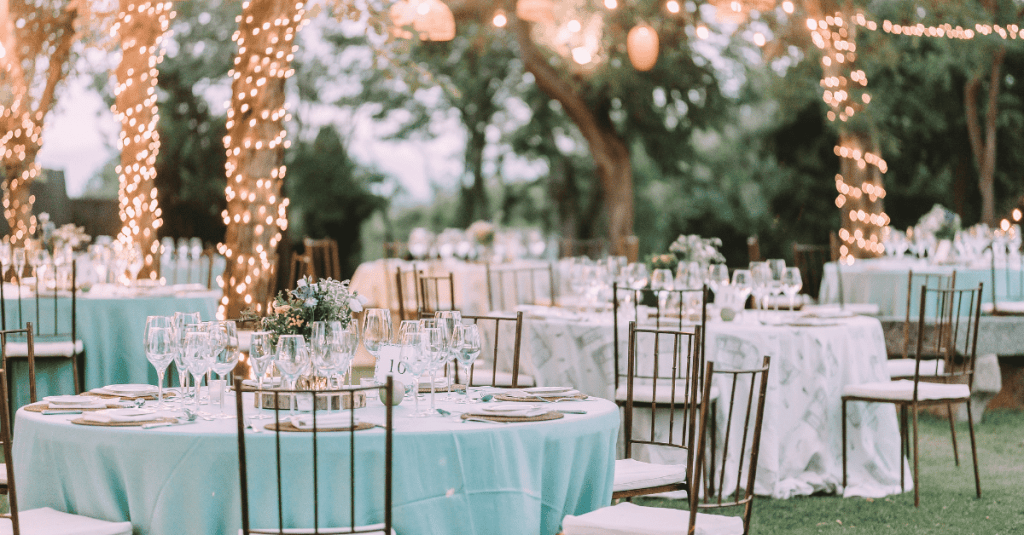
A great reception balances good food, engaging entertainment, and memorable moments. Whether it’s a formal sit-down dinner or a more relaxed buffet, the goal is to create an enjoyable experience for guests.
Some ways to make the reception stand out include:
• A signature cocktail that reflects our personalities
• Interactive food stations or unique dessert options
• A mix of music that keeps everyone on the dance floor
• Personal touches like handwritten place cards or family photo displays
Managing the Timeline and Logistics
A well-structured timeline keeps everything on track. Mapping out when each part of the day will happen—from hair and makeup to the first dance—helps prevent stress.
Some key points to consider when building a timeline:
• How much time to allow for getting ready
• The best time for a first look or pre-ceremony photos
• When guests should arrive at the venue
• How long each part of the reception will last
Having a day-of coordinator or assigning a trusted friend to help with logistics ensures we can focus on enjoying the moment.
Preparing for the Unexpected
No matter how much we plan, unexpected challenges can arise. Weather changes, vendor delays, or small hiccups are part of the process. Staying flexible and keeping a sense of humor helps us handle anything that comes our way.
One way to reduce last-minute stress is by putting together an emergency kit with essentials like stain removers, safety pins, and extra makeup. Having a backup plan for outdoor ceremonies or unexpected delays keeps everything running smoothly.
Taking Time to Enjoy the Moment
With all the planning and excitement, it’s easy to get caught up in the details. But the most important part of this journey is celebrating love and commitment.
Taking moments throughout the day to pause, soak in the experience, and appreciate the people around us makes everything more meaningful. Whether it’s a quiet moment together before the ceremony or a deep breath before walking down the aisle, these little pauses help us stay present.
Looking Ahead to the Next Chapter
After the celebration ends, life as a married couple begins. The wedding is just the start of a new chapter filled with shared experiences and new adventures.
As we wrap up the planning process, let’s focus on what truly matters: building a life together. Whether you’re in the early stages of planning or putting the final details in place, take the time to enjoy each step. The journey is just as important as the destination.



 This Treasured Home