Choosing a wedding venue is one of the biggest decisions we’ll make in the planning process. The location sets the stage for the entire day, influencing everything from the atmosphere to the logistics. While it’s exciting to tour beautiful spaces and picture our celebration there, we need to ask the right questions before signing any contracts.
Many couples fall in love with a venue based on aesthetics alone, only to realize later that hidden fees, limited flexibility, or unexpected rules complicate their plans. To avoid surprises, we need to think beyond first impressions and focus on how well the space fits our needs.
Aligning the Venue With Our Vision
Before touring locations, we should have a clear idea of what kind of celebration we want. A grand ballroom, a rustic barn, a beachside retreat, or a city rooftop all create different experiences. Our venue should reflect the overall atmosphere we envision.
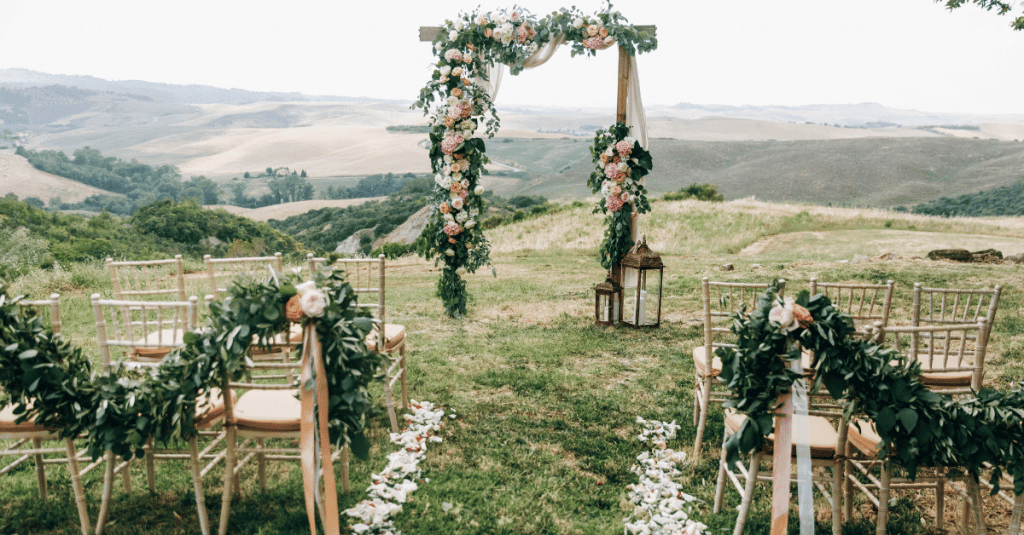
One of the first things to consider is whether the space fits the style we have in mind. Some locations have built-in décor elements, while others provide a blank slate for creativity. If we want a minimalist, modern setting, a historic mansion with elaborate architecture might not be the right fit. If we dream of an outdoor ceremony, we need to ask about weather contingencies and backup options.
Understanding Capacity and Guest Comfort
Guest count plays a major role in venue selection. A space that feels perfect for 50 people might be overwhelming for 200. At the same time, a venue that looks spacious when empty could feel cramped once tables, chairs, and décor are in place.
Beyond capacity limits, we need to think about how comfortable our guests will be. Are there enough restrooms? Will elderly relatives or guests with mobility challenges be able to move around easily? If the venue has multiple levels, is there an elevator? These details affect how enjoyable the experience will be for everyone attending.
Reviewing Costs and Inclusions
Venue pricing can be more complicated than it appears at first glance. Some locations offer all-inclusive packages, while others charge a base rental fee and require us to pay separately for tables, chairs, and other essentials.
Before committing, we should ask for a detailed breakdown of costs. Some key considerations include:
• Are taxes and gratuities included in the total price?
• Is there a security deposit or any additional fees for setup and cleanup?
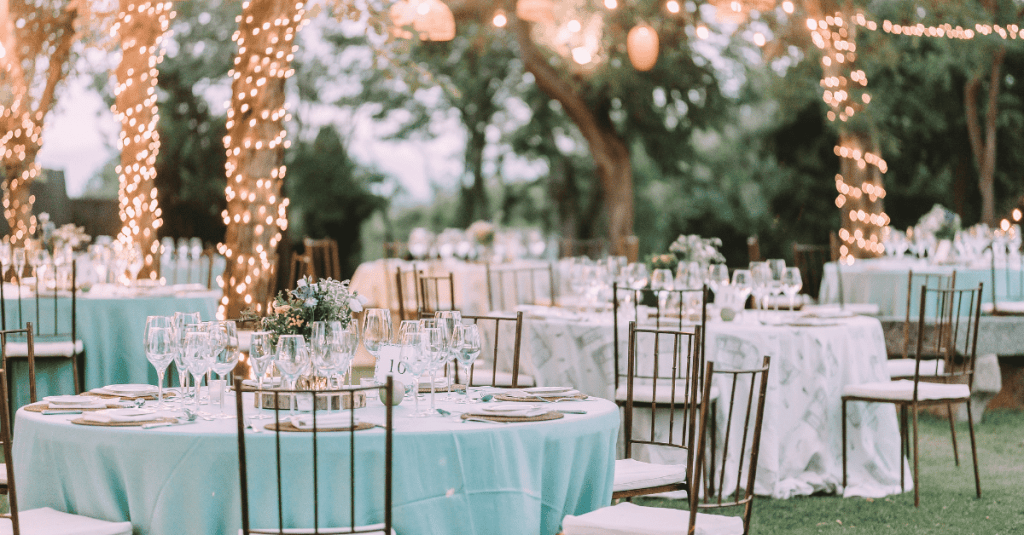
• Are tables, chairs, and linens provided, or do we need to rent them separately?
• If the venue offers catering, is there a food and beverage minimum?
Understanding what’s included helps us compare different venues accurately and avoid unexpected expenses.
Evaluating Catering and Bar Service Options
Food and drinks are a major part of the celebration, so we need to know if the venue allows us to bring in our own caterer or if we’re required to use their in-house team. Some locations have exclusive catering contracts, which means we’ll have to work within their menu options and pricing.
For venues that provide catering, we should ask about menu flexibility, dietary accommodations, and whether a tasting is available before making final selections. If we plan to serve alcohol, we need to know:
• Are we allowed to bring in our own alcohol, or must we purchase from the venue?
• Is there a corkage fee for outside beverages?
• Are bartenders included, or do we need to hire them separately?
Knowing these details early helps us make informed decisions about food and drink service.
Checking Availability and Booking Policies
Popular venues book up quickly, especially during peak wedding season. Once we find a space that fits our vision and budget, we need to confirm date availability as soon as possible.
Some venues hold dates with a deposit, while others require a signed contract before securing the booking. If we’re considering a destination event or a location with a long waiting list, we should have a few backup dates in mind.
It’s also important to ask about cancellation and rescheduling policies. Life is unpredictable, and having flexibility built into the contract can prevent financial stress if plans need to change.
Considering Logistics and Setup Requirements
Logistics play a crucial role in the flow of the day. We need to ask about access times for setup and breakdown, especially if we’re working with multiple vendors. Some venues have strict time limits, while others allow a full-day rental.
If we’re bringing in outside décor, entertainment, or rentals, we should clarify whether there are any restrictions. Some locations have noise limits, open flame bans, or limitations on hanging decorations.
Other logistical factors to keep in mind include:
• Where guests will park and if valet service is available
• Whether there are dressing rooms for the wedding party
• If there’s a designated space for the ceremony and reception if both are happening at the same location
Planning for Weather and Backup Options
Outdoor celebrations are beautiful, but weather can be unpredictable. We need to ask what the backup plan is in case of rain, extreme heat, or unexpected changes in conditions. Some venues offer covered pavilions or indoor spaces, while others require couples to rent tents at an additional cost.
If the venue provides an indoor alternative, we should see the space in person to make sure it aligns with our vision. A last-minute shift indoors shouldn’t feel like a downgrade but rather a seamless transition.
Communicating With Venue Staff and Preferred Vendors
A well-managed venue comes with an experienced team that helps events run smoothly. When touring locations, we should take note of how responsive and helpful the staff is. A team that communicates clearly and supports our vision makes the planning process much easier.
Some venues require us to choose from a list of preferred vendors, while others allow us to bring in any professionals we want. If there’s a preferred list, we should check whether it includes the kind of photographers, florists, and entertainment we’re looking for.
Clarifying Event Timing and Restrictions
Some locations have strict timelines that determine when events can start and end. If we want a late-night celebration, we need to ask whether there’s a curfew or noise restriction.
Other common time-related policies to clarify include:
• When vendors are allowed to start setting up
• How long we have for cleanup after the event
• If there are extra fees for extending the rental time
Knowing these details upfront prevents surprises and helps us plan accordingly.
Trusting Our Instincts and Making the Right Choice
Beyond all the logistics, the right venue should feel like a natural fit. If we walk into a space and instantly picture ourselves celebrating there, it’s a good sign that it aligns with our vision. But excitement should be balanced with practicality.
We should take the time to review contracts carefully, ask as many questions as needed, and compare options before making a final decision. Once we find a location that checks all the boxes, we can move forward with confidence, knowing we’ve chosen the perfect setting for our celebration.
If you’re in the process of choosing a venue, take the time to ask the right questions and explore your options fully. The right space is out there, and with careful planning, your celebration will come to life just as you imagined.




 This Treasured Home